Architectural Windows are more than just openings for light and air they are a defining feature of modern design and functionality. Whether you’re building a new home or upgrading an existing space, custom made architectural windows can completely transform the look, feel, and energy efficiency of your property.
In today’s design-focused world, homeowners and architects are increasingly choosing Architectural Windows that reflect personal style while delivering performance. From unique shapes to high-quality materials, these windows are crafted to meet both aesthetic and practical needs.
Connect with Al Munir uPVC Windows and get best quality windows now.
Get free quotation for your windows now.
What Are Architectural Windows?
Architectural Windows are specially designed windows that go beyond standard sizes and shapes. They are customized to match the design vision of a building and often serve as a focal point in both residential and commercial spaces.
Key Features of Architectural Windows
- Custom shapes (arched, circular, triangular, etc.)
- Unique frame materials and finishes
- Enhanced energy efficiency
- Large glass panels for maximum natural light
- Integration with modern and traditional designs
Benefits of Custom Made Architectural Windows
1. Unique Design Appeal
Custom Architectural Windows allow you to create a one-of-a-kind look. Whether you prefer a minimalist modern design or a classic style, these windows can be tailored to your exact preferences.
2. Improved Natural Lighting
Large and strategically placed windows maximize sunlight, reducing the need for artificial lighting and creating a bright, welcoming environment.
3. Energy Efficiency
Modern Architectural Windows are built with advanced glazing and insulation technologies that help regulate indoor temperature and reduce energy bills.
4. Increased Property Value
Homes with well-designed custom windows often stand out in the market, increasing resale value and buyer interest.
5. Better Ventilation
Custom designs can include operable sections that improve airflow, enhancing indoor comfort.
Types of Architectural Windows
Fixed Windows
These are non-opening windows designed purely for light and aesthetics. Ideal for large glass panels and scenic views.
Arched Windows
Perfect for adding elegance and a classic touch to homes and buildings.
Bay and Bow Windows
These extend outward, creating additional interior space and panoramic views.
Floor-to-Ceiling Windows
Popular in modern architecture, these provide uninterrupted views and maximum natural light.
Skylight Windows
Installed in roofs or ceilings, skylights bring daylight into darker areas of a building.
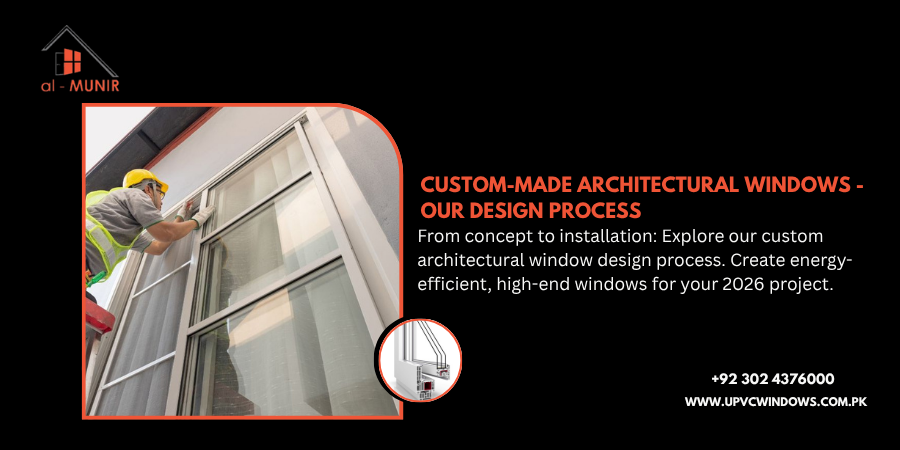
The Custom Design Process
Creating Architectural Windows involves a structured and thoughtful design process to ensure quality and precision.
Step 1: Consultation and Planning
The process begins with understanding your needs, style preferences, and budget. Designers assess the building structure and suggest suitable options.
Step 2: Design and Visualization
Advanced tools and 3D models are used to help you visualize how the windows will look in your space.
Step 3: Material Selection
You can choose from a variety of materials, including:
- Aluminum
- Wood
- uPVC
- Steel
Each material offers different benefits in terms of durability, maintenance, and appearance.
Step 4: Manufacturing
Once the design is finalized, skilled craftsmen and modern machinery are used to create the windows with precision.
Step 5: Installation
Professional installation ensures proper fitting, sealing, and long-term performance.
Choosing the Right Architectural Windows
Selecting the perfect windows requires careful consideration.
Factors to Consider
- Climate: Choose materials and glazing suitable for your local weather
- Design Style: Match windows with the overall architectural theme
- Energy Efficiency: Look for double or triple glazing options
- Budget: Balance between cost and quality
- Maintenance: Consider how much upkeep is required
Design Trends in Architectural Windows
Modern Architectural Windows follow evolving design trends that blend beauty with functionality.
Minimalist Frames
Slim frames with large glass panels are gaining popularity for a clean and modern look.
Smart Glass Technology
Windows that adjust transparency based on light and temperature are becoming more common.
Sustainable Materials
Eco-friendly materials and energy-efficient designs are a top priority for many homeowners.
Black Window Frames
Bold black frames add contrast and sophistication to both interior and exterior designs.
Maintenance Tips for Architectural Windows
To keep your custom windows in top condition:
- Clean glass regularly with non-abrasive cleaners
- Inspect seals and frames for damage
- Lubricate moving parts if applicable
- Avoid harsh chemicals that may damage finishes
- Schedule professional inspections when needed
Common Mistakes to Avoid
When investing in Architectural Windows, avoid these common pitfalls:
- Ignoring energy efficiency ratings
- Choosing design over functionality
- Poor installation practices
- Not considering long-term maintenance
- Overlooking local climate conditions
FAQs
1. What makes Architectural Windows different from standard windows?
Architectural Windows are custom-designed to fit specific shapes, sizes, and design requirements, unlike standard windows that come in fixed dimensions.
2. Are custom Architectural Windows expensive?
They can be more expensive than standard options, but they offer better design flexibility, energy efficiency, and long-term value.
3. How long does it take to install custom windows?
The timeline varies depending on design complexity, but it typically takes a few weeks from design to installation.
4. Are Architectural Windows energy efficient?
Yes, modern designs include advanced glazing and insulation features that improve energy efficiency.
5. Can Architectural Windows be installed in existing homes?
Yes, they can be customized to fit renovation projects as well as new constructions.
6. What materials are best for Architectural Windows?
It depends on your needs aluminum is durable, wood offers a classic look, and uPVC is low-maintenance and cost-effective.